01 / 06
BPC-157
Body Protection Compound 157
A 15-amino-acid stable gastric peptide with extensive regenerative research across tendon, ligament, and gut healing models.

Evidence-based education on the peptides reshaping modern wellness, recovery, and longevity research.
Pick a focus area and jump straight to the relevant peptides.
Growth hormone secretagogues, fat-targeting fragments, and GHRH analogs studied for lean mass, lipolysis, and metabolic optimization.
Tissue repair, anti-inflammatory, and angiogenic peptides.
Neuropeptides for memory, focus, and neuroplasticity.
Telomere, mitochondrial, and bioregulator peptides.
Thymic and antimicrobial peptides for immune modulation.
Copper peptides and growth factors for dermal repair.
Keep scrolling to move through the most clinically significant peptides in our reference library. Each represents a distinct mechanism, research status, and therapeutic domain.
A 15-amino-acid stable gastric peptide with extensive regenerative research across tendon, ligament, and gut healing models.
Tetrapeptide that activates telomerase and extends telomere length — the most-studied longevity peptide globally.
Synthetic GHRH analog and the only FDA-approved peptide for visceral fat reduction in HIV-associated lipodystrophy.
Russia's premier cognitive enhancement peptide. Upregulates BDNF expression and improves memory consolidation.
Immune-modulating peptide approved in 37+ countries for hepatitis B/C and as cancer adjunct therapy.
Copper-binding tripeptide that triggers tissue remodeling, stimulates collagen synthesis, and resets aged cells.
Peptides are short chains of amino acids that act as precise signaling molecules. Unlike broad-spectrum drugs, they interact with specific receptors to direct targeted biological responses.
Each node represents an amino acid in a peptide chain.
Peptides are defined as chains of 2 to 50 amino acids linked by peptide bonds. Their sequence determines their three-dimensional structure, which in turn determines which receptors they can bind. This specificity is why peptides can produce targeted effects that broad-molecule drugs often cannot.
When a peptide binds to its target receptor, it initiates signaling cascades: phosphorylation events, gene transcription changes, enzyme activation, or ion channel modulation. Growth hormone secretagogues, for example, bind GHS-R1a receptors on pituitary cells to trigger GH pulse amplification via cyclic AMP.
Most research peptides are derived from or modeled after peptides the human body naturally produces. BPC-157 comes from a gastric protein; Epithalon from the pineal gland; GHK-Cu from human plasma. This endogenous basis often correlates with favorable safety profiles relative to synthetic drugs.
Peptide research spans a spectrum: from in vitro cell studies, through animal models, to Phase I-III human clinical trials. Some peptides have reached FDA approval (Tesamorelin, Bremelanotide), while others have regulatory approval in specific countries. Understanding a peptide's research status is essential for accurate risk assessment.
Most peptides are rapidly degraded by gastrointestinal enzymes, making oral bioavailability a challenge. Research primarily uses subcutaneous or intramuscular injection for systemic action. Exceptions include KPV (orally stable), Dihexa (lipophilic, crosses BBB), and intranasal peptides like Semax and Selank. Delivery technology continues to advance.
Derived from a protective protein in human gastric juice, BPC-157 is among the most researched regenerative peptides. It promotes angiogenesis, modulates the nitric oxide system, and has demonstrated healing acceleration across tendon, ligament, gut, and neural tissue in extensive preclinical research.
Long-acting GHRH analog that amplifies growth hormone pulses for 6+ days per injection. Phase II clinical data confirms 2-10x GH elevation. Frequently studied with Ipamorelin for additive effects.
Tetrapeptide from the bovine pineal gland with 15+ years of Russian clinical data. Activates telomerase, restores melatonin production in elderly subjects, and has demonstrated lifespan extension in multiple animal models.
Peptides occupy a unique space in biomedical research: highly specific, naturally derived, and increasingly clinically validated.
Peptides bind to specific receptors with high selectivity, producing targeted biological effects that broad-spectrum drugs cannot achieve. This selectivity often translates to fewer off-target side effects.
Many research peptides are modifications of peptides the body naturally produces. This endogenous basis often confers biological compatibility and reduces the risk of immune rejection or foreign-molecule reactions.
Peptides can activate receptors, inhibit enzymes, modulate gene expression, or act as neurotransmitters. This mechanistic diversity makes them applicable across virtually every organ system in the body.
Certain peptides, like GHK-Cu and Epithalon, operate at the genomic level, resetting gene expression patterns toward healthier states. This represents a fundamentally different class of intervention than conventional pharmacology.
From Tesamorelin's FDA approval for body composition to Thymosin Alpha-1's use in 37 countries, peptides are graduating from preclinical research to approved therapeutics at an accelerating pace.
Unlike small molecules that accumulate, peptides are metabolized into constituent amino acids. This metabolic pathway eliminates the accumulation toxicity concerns associated with many conventional drugs.
The most selective GH secretagogue
Russia's premier cognitive enhancement peptide
Copper-bound peptide that resets tissue to a younger state
The thymus gland's master immune modulator
Telomerase-activating peptide with longevity research
Anxiolytic and nootropic with immune modulation
Systemic healing and anti-inflammatory signaling
The only FDA-approved peptide for visceral fat reduction
Sleep architecture regulation and stress resilience
FDA-approved centrally-acting sexual dysfunction treatment
Mitochondrial peptide protecting against neurodegeneration and aging
Potent anti-inflammatory with gut healing and skin repair properties
Use the arrows to browse. Click any card for the full research profile.
Third-party tested, batch-specific COAs, HPLC purity verification. Browse the full catalog on the Axiom Labz store.
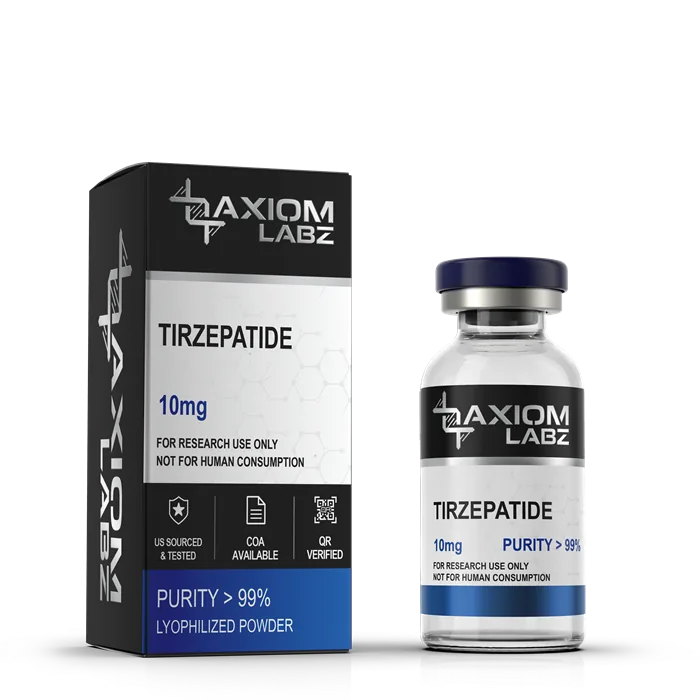
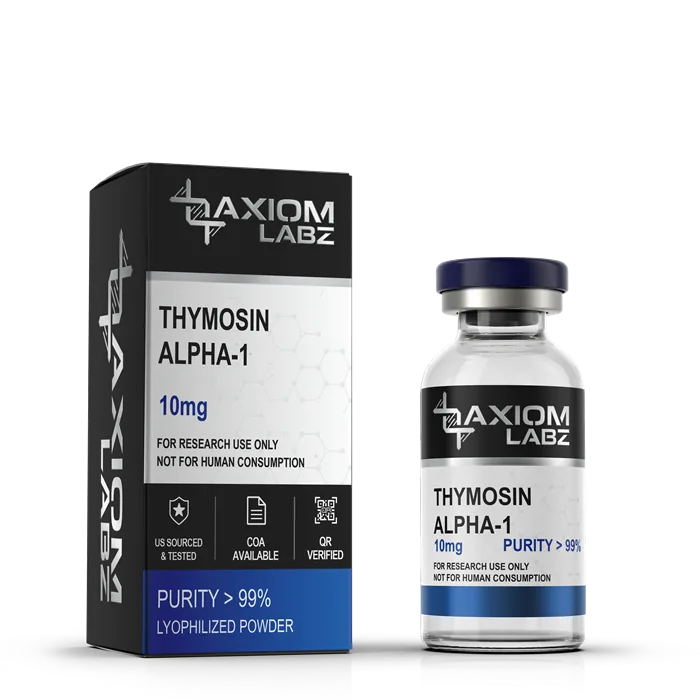
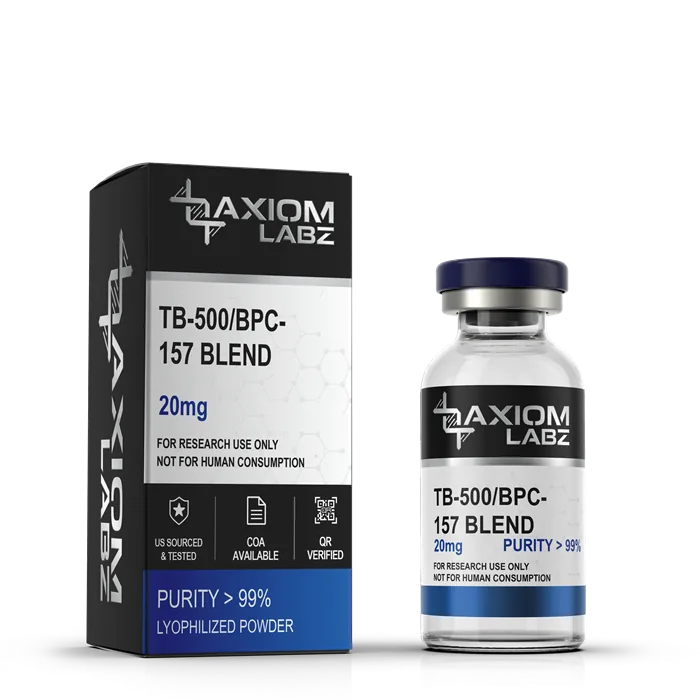
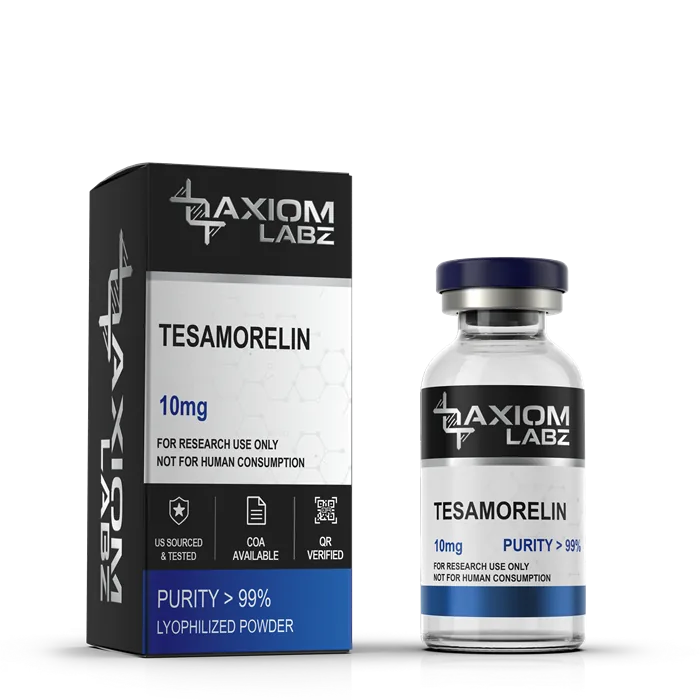
For research use only. Not for human consumption.
In this 68-week, double-blind, randomized trial of 1,961 adults, once-weekly semaglutide 2.4 mg produced a mean body-weight reduction of 14.9% versus 2.4% with placebo, alongside improvements in cardiometabolic risk factors.
A 72-week phase 3 trial of 2,539 adults without diabetes; the dual GIP/GLP-1 receptor agonist tirzepatide achieved mean weight reductions of up to 20.9% at the 15 mg dose, the largest yet reported for a pharmacologic agent at the time.
The pivotal trial supporting FDA approval of tesamorelin: in HIV patients with abdominal fat accumulation, tesamorelin significantly reduced visceral adipose tissue and triglycerides over 26 weeks without worsening glucose tolerance.
Two phase 3 randomized trials supporting FDA approval of bremelanotide (PT-141): the melanocortin agonist significantly improved sexual desire and reduced associated distress in premenopausal women with HSDD.
The long-acting amylin analogue cagrilintide produced dose-dependent weight loss up to 10.8% over 26 weeks in adults with overweight or obesity, supporting amylin agonism as a distinct anti-obesity mechanism.
The foundational MOTS-c paper: this mitochondrial-derived peptide regulates the folate–AMPK pathway, enhancing insulin sensitivity and protecting against diet-induced obesity in mouse models.
A comprehensive review of the copper tripeptide GHK-Cu, documenting its modulation of thousands of human genes toward tissue remodeling, wound healing, anti-inflammatory and antioxidant activity.
In 361 patients with severe sepsis, thymosin alpha-1 produced a reduction in 28-day all-cause mortality and improved monocyte HLA-DR expression, supporting its immunomodulatory role.
A review of the extensive preclinical literature on BPC-157, summarizing its angiogenic, cytoprotective and tendon/ligament/gut healing effects across numerous rodent injury models.
The Khavinson group reported that the tetrapeptide Epitalon (Epithalon) induced telomerase activity and telomere elongation in human somatic cells, allowing them to surpass the Hayflick division limit in culture.
Single injections of CJC-1295 produced sustained, dose-dependent increases in growth hormone (2–10×) and IGF-I lasting 6+ days, with a half-life supporting once-weekly dosing.
Ipamorelin stimulated growth hormone release with potency comparable to GHRP-6 but without the ACTH and cortisol elevations seen with other secretagogues, defining its selective profile.
Thymosin beta-4 (the parent of TB-500) promoted cardiomyocyte survival and migration and improved cardiac function after coronary artery ligation in mice, establishing its tissue-repair signaling.
The C-terminal hGH fragment AOD-9604 stimulated lipolysis and inhibited lipogenesis in vitro and in obese animal models without the diabetogenic effects of intact growth hormone.
A review of LL-37, the only human cathelicidin, detailing its broad-spectrum antimicrobial activity, immunomodulation, angiogenesis and wound-healing roles.
In a comparative clinical study, the heptapeptide Selank showed anxiolytic efficacy comparable to benzodiazepines (medazepam) without the sedation, dependence or withdrawal liabilities.
Intranasal Semax elevated BDNF and trkB expression in the hippocampus, providing a molecular basis for its reported neuroprotective and cognitive-enhancing effects.
Research summaries, newly documented peptides, and clinical trial updates delivered to your inbox.
No spam. Unsubscribe at any time.